Showing posts with label biopesticide. Show all posts

Wednesday, September 20, 2023

 🌱 Unveiling the Resurgence of BioJadi: Cultivating Greener Tomorrows 🌱

Greetings, Fellow Agriculture Enthusiasts,


In the spirit of growth, resilience, and sustainability, we're elated to announce the grand revival of BioJadi – the beacon of natural innovation in agriculture. 🌾

🌿 Nature's Elixir for Bountiful Harvests 🌿 Prepare to witness the prowess of BioJadi's unique Nano Biotechnology formulation, a symphony of activated enzymes, indigenous microbes, botanical extracts, and amino acids. Beyond being a mere nutrient, BioJadi is a lifeline for soil vitality and an accelerator for vibrant plant growth. Experience the awe-inspiring "Crazy Growth" phenomenon firsthand.

🌍 Harmony with Earth, Healing for Crops 🌍 Bid adieu to the era of costly chemical fertilizers, and embrace the harmonious dance with nature. With BioJadi, we're cultivating a shift towards sustainable, eco-conscious farming practices, leaving behind the detrimental footprint of conventional methods.

📈 Where Success Meets Validation 📈 BioJadi's journey is etched with validation and achievement. From prestigious conferences like BIMP-EAGA IMT-GT to pivotal studies in the cocoa industry, our legacy speaks volumes about the transformative impact we offer.

🌱 A Chapter Renewed: The Countdown Begins 🌱 Emerging from a brief hiatus due to the pandemic, BioJadi is poised to make a triumphant return. The second week of October marks the onset of a new era as we dispatch our coveted product to rejuvenate soils and nurture growth.

🚀 Your Role in the Movement 🚀 Whether you're a steadfast supporter of sustainable farming practices, a visionary seeking elevated yields in agriculture, or a steward of nature's harmony, BioJadi aligns with your mission.

📚 Dive into Our Blog 📚 Embark on a journey of enlightenment by exploring our blog. Unveil the science, hear the testimonials, and connect with a community driven by the goal of greener, more prosperous tomorrows.

Stay tuned and explore our blog at [Insert Blog Link] as we embark on this transformative journey with BioJadi!

#BioJadiRevolution #PreBookNow #NaturalAgriBoost #HarvestHealthier #OrganicFarming #LimitedTimeOffer #GreenThumbs #GardeningMagic #BioJadi #BioJadiPower #MyBolehBoleh #AvocadoBoy

Together, we pave the way for a thriving, sustainable agricultural landscape. 🌱🌾🌿

Friday, January 19, 2018

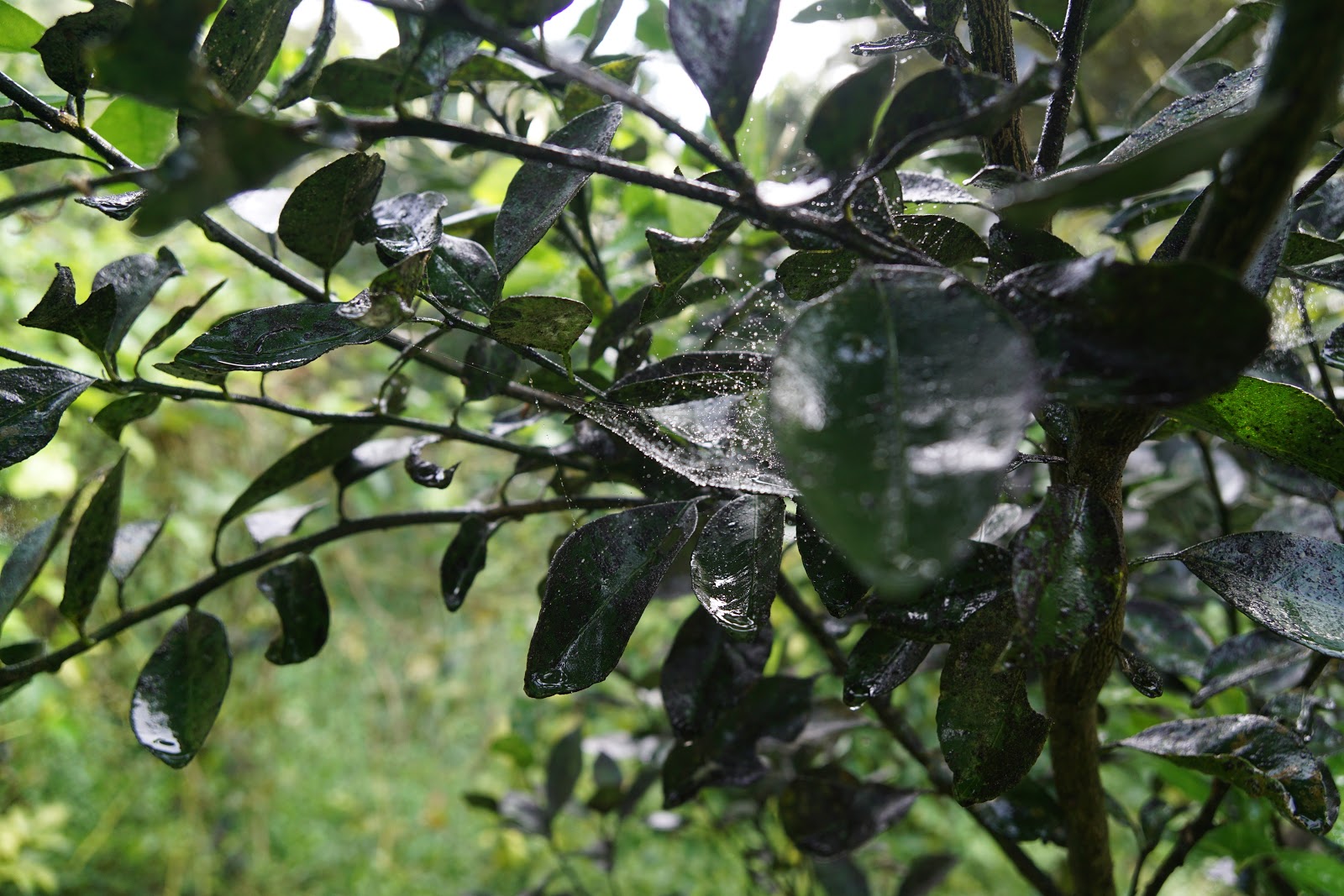
Black Sooty Mould on Lime tree Organic Challenge

We have a couple Lime tree with Black Sooty Mould and we want to treat it organically. My initial recommendation was to prune it heavily, treat it and let it regrow. But for a commercial farm that shall lengthen the incubation time, and in commercial, time is money. After getting very confident with our AgroSol, we decided to try it without pruning.


Black sooty mold is a fungal growth that is caused by aphid infestations. The aphids excrete a sticky substance called honeydew as they feed on the leaves and stems of the lime tree. The aphids alone usually cause only minor damage. The black sooty mold feeds on the honeydew. It forms a black, powdery substance over the leaves and stems, which is not only unattractive, but can be destructive. In severe cases, it can stunt growth and kill the leaves. The mold sometimes grows on the fruit, as well.

We decide to give it a bath, a small dab of detergent and wood vinegar and some rubbing. 1 tank of liquid, we manage clear just a small section.


We waited a while for it to dry off. We spray with our special mixture blend
1) AgroSol Pure Plant Energy 1:400
2) WetPro 
3) Wood Vinegar 1:500
4) Variegated Indian Borage (Mexican mint)
5) BioRichfield 2.5 kg
6) 10 liters of clean water sprayed on the tree and soil.
11 days later, we got these.


Here is my Variegated Indian Borage. My friend is propagating this at his farm as a pest repellent.

#AgrosolAmbassador
#Agrosol #Organic #Natural #BeeFriendly #PurePlantEnergy
Tested in Malaysia for #AvocadoFriendly #GrapeFriendly #DurianFriendly#MangoFriendly #RockmelonFriendly #PapayaFriendly #TurfFriendly #FigFriendly#BlueButterFlyPeaFriendly #BananaFriendly #ChilliFriendly #LettuceFriendly#BrinjalFriendly #GuavaFriendly #MexicanMintFriendly #BayLeavesFriendly#DuanSalamFriendly
#RicHFieldAmbassador
#BioRicharAmbassador
#LetsGoOrganic
#CircularEconomy

Monday, August 28, 2017

Fungicide, the natural way.


Fungicide use is surging, largely because it is not being monitored.

Modern fungicides that are sprayed on fruit and vegetables have come under fresh scrutiny after scientists

found they caused similar genetic changes in mouse neurons to those seen in autism and Alzheimer’s disease.

A wide range of chemicals are used in global agriculture under the perception that they are fundamental to achieving maximum crop yields. There is, however, a growing knowledge base developing that underpins the distribution and impact of chemicals in the environment and how they affect the human body. Furthermore, there is growing requirement for regulatory control and management procedures due to the specific challenges that are being recognized.

While insecticides are a known deadly threat, two studies find that bees exposed to fungicides are smaller, sickly and declining in ‘chemical cocktail’ farmlands.

Also from a consumer point of view, it is our responsibility to fully understand what we eat and what we are feeding to the next generation. Some of our local farming community is moving towards the non - chemical and organic farming. Hopefully more shall follow. 

Trichoderma a Biofungicide.


Trichoderma is a beneficial fungus that helps to protect your plants against molds and bacteria. These tough little guys stand up against root rot and grey mold, protecting your plants from being destroyed. They create a barrier that make it impossible for harmful bacteria and pathogens to pass through.


Trichoderma surrounds your plant’s roots releasing compounds that trigger their natural defense systems.


Fungi That Flexes

These guys aren’t messing around. Not only do they strong arm potential pathogens but they also have the ability to kill those that may already be present. Additionally, Trichoderma reduces Pythium, Fusarium and Rhizoctonia. These enzymes attack harmful soil bacteria and fungi. They wrap themselves around the harmful fungi, releasing these enzymes that then dissolve the invaders cell wall. This action is term as “microbe parasitism.”


They produce mainly two types of enzymes: cellulase and chitinase. Cellulase is an enzyme that breaks down cellulose (the structure of plant cell walls). On the flipside, chitinase is an enzyme that breaks down chitin (the structure of fungal cell walls). Chitinase is also what breaks down the crunchy exoskeleton of insects but as far as studies show, this fungi isn’t an omnivore as of yet. Trichoderma is some mind-blowing stuff. They know when to activate which enzyme depending on what root system and soil that it is residing within to not cause harm. Is there anything that these beneficial fungi can’t do??


Who Are These Fungi?


Kingdom: Fungi

Division: Ascomycota

Subdivision: Pezizomycotina

Class: Sordariomycetes

Order: Hypocreales

Family: Hypocreaceae

Genus: Trichoderma


There are four different species of trichoderma- harziamum, viride, longibrachiatum and reesei. Each of these have defining characteristics and qualities but mainly are separated by what they eat.


Trichoderma harziamum is the most commonly known species of this beneficial fungi. It likes to hang out in temperatures between 30 to 37 degrees Celsius. It is used as a fungicide and a biocontrol for a number of different fungal pathogens.


Trichoderma Viride was thought to be the only species of trichoderma for a long time. It is also known as the “green mold disease of mushrooms”. It breaks down both chitin and cellulose and uses them as its food source. “Its ability to break down both compounds make it very adaptable.” This species can grow on wood (cellulose) and fungi (chitin).


If you are considering doing any mushroom farming in the future, make sure to keep this particular species far away from any mushroom cultivation. Trichoderma Viride have voracious appetites for all fungi.


Trichoderma longibrachiatum is not used as often as some of the other species of this fungi. This new kid on the block is the most recently discovered Trichoderma. It is particularly powerful and is often genetically modified to make enzymes that enable it to perform as a bioremediator (meaning that they can clean up heavy metals).


Just as great as they can be in cleaning up, they can be just as terrible when found in the wrong place at the wrong time. Trichoderma longibrachiatumpose a high potential for causing allergic reactions in humans. It is the common black mold found in air filters and the corners of your windows.


Although beneficial in your soil, those that have lymphoma or have recently had a bone marrow transplant should fear this strain like the plague because it has been known to colonize in recovering patients.


Present day fashion designers now use Trichoderma reesei to create the “stone washed” jeans effect that keeps going in and out of style.


In addition to eating cellulose, Trichoderma reese excretes antibiotics for the plants. These antibiotics trigger the resistance response within the plant to help it to fight off fungal pathogens.


Trichoderma, Naturally.


You can find Trichoderma organically in nature in native soils on nearly every continent of the world. They can be found in soils of varying temperatures but thrive between 25 and 40 degrees Celsius. Outside those temperatures, the fungi begin to lag or die off.


Trichoderma is very resilient and can survive in the face of pathogens, heavy metals and bacteria. These spunky little fungi can handle just about anything that you throw at them. But humans are giving them a run for their money by interrupting their natural balance and ability to organically exist in soils.


Just like we are responsible for salt build up and alkaline soils, we are killing off these beneficial bacteria with mining, construction, pesticides, drought, flooding, and extreme heat waves. We now find ourselves having to add it back to our soils instead of benefiting from its naturally occurring colonies. Just one more reason to give a shit about environmental practices, and how your food is grown…..


Getting Heady


In addition to helping your plants keep themselves healthy and fight off diseases, Trichoderma also help increase nutrient uptake, increase growth, increase yield and increase the amount of seeds they are able to germinate.


Trichoderma and Other Microbes

Trichoderma work well with other microbes, buddying up with anything that is going to increase the health of its rhizosphere. It will literally melt any pathogenic fungi causing ZERO negative effects.

Click HERE for more details or whatsApp +60163261829