Showing posts with label Avocado Lovers Malaysia. Show all posts

Sunday, May 5, 2019

Hass Avocado

 
Hass Avocado, need no introduction. It's the King of Avocado. 95% of the global commercially planted Avocado is Hass.

Hass had some other big advantages over other avocado. The trees grow vigorously, are easy to propagate and produce an impressive amount of fruit by only the second or third season. They have a longer harvest season than other avocados and, perhaps most importantly, the Hass's thicker skin makes it superior to handle and ship long distances.

Hass avocados have a pebbly skin that ripens from green to deep purple or nearly black, and they can vary in size from 140 gm to 340 gm. Although the skin is thick, it is relatively easy to peel. The flesh closest to the skin is pale green, and as it nears the medium-sized central stone it develops a yellow undertone. The flesh is soft, creamy, and barely fibrous, with good oil content. The flavor is rich and nutty with a slightly sweet finish.

The Hass avocado tree is a desirable fast-growing tree that produces high-quality, rough-skinned fruit with a long shelf life. Hass avocado trees are medium, spreading, evergreen trees that reaches 12 M in height and 11 M wide.

Place your pre-order Now! Currently price starts from $160.00 Pre-Booking deposit of $50.00 only. ETA May/June. Kindly whatsApp me https://api.whatsapp.com/send?phone=60163261829&text=I%27m+interested+in+Avocado&fbclid=IwAR3Ip-0rNXNSyC38Xf2wP98u4IsKb_e79_bQPRkRVNNQTKjWPVg3EdfDXU8

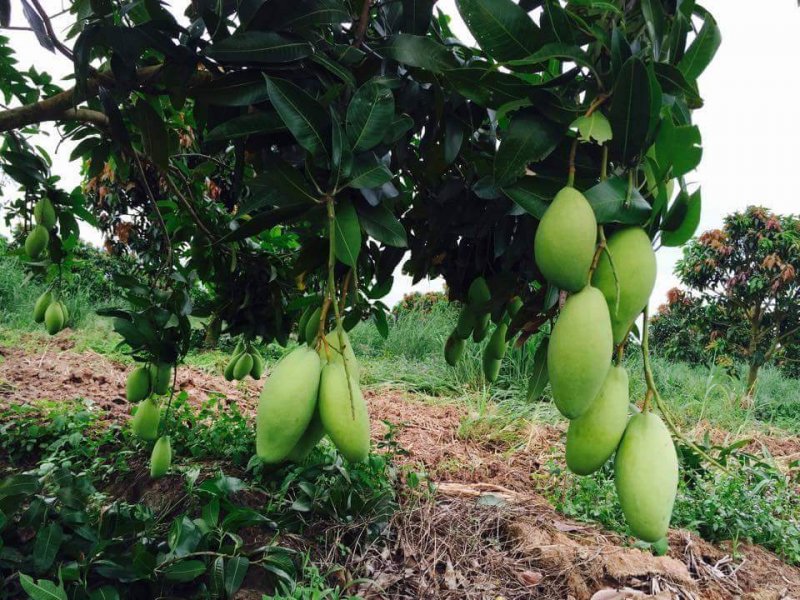
*Note, Pictures are downloaded from the internet for illustration purpose only. **Commercial planting inquiries are most welcome. Kindly schedule a meet up for discussion.

Thursday, November 30, 2017

Improving Delivery Of AgroSol

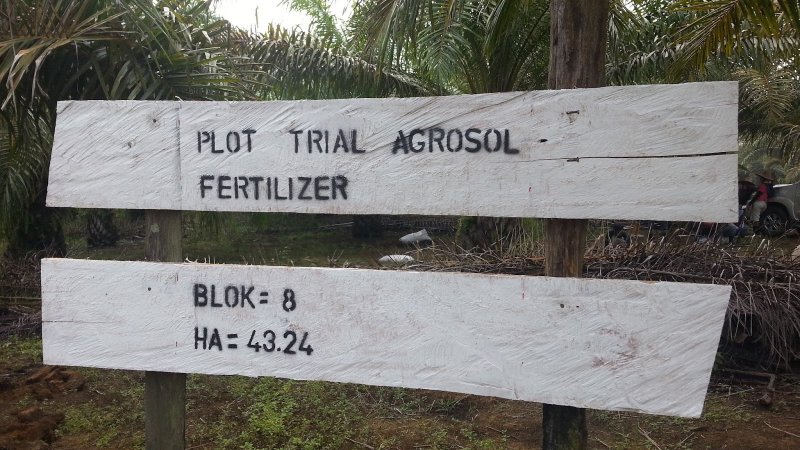
Had been working a lot lately with AgroSol, Pure Plant Energy. It's my belief that this definitely works and if it doesn't it's due to the method of delivery. 


AGROSOL is very finely ground and with a maximum grain size of 4µm. AgroSol also recommends using wetting agents for every application. Water in the mix is only acting as a carrier.

Was thinking on how can we improve the delivery, and then I recalled my experience with 

AgroSol + Wood Vinegar + Wettpro

Wood Vinegar, Pyroligneous Acid. At 500 times dilution, wood vinegar can reduce the cluster value of water to 1/3. This means that the water is activated and can be easily absorbed by the plants because water with a low cluster value is in a very small mass. Each of these masses will hold one or few mineral elements. These elements can be easily taken into the plants.

The concentration of agro-chemicals or liquid fertilizers can be reduced by up to 50% if it is diluted in a 500 times dilution solution of wood vinegar due to its higher permeation. This will greatly reduce the use of agro-chemicals. However, it should not be used with alkaline chemicals.

Got some Wood Vinegar in and start some trial with AgroSol + WoodVinegar
#AgroSol + Wood Vinegar & NO Wettpro (Forgot)


With the numerous compound and proven positive usage I am confident that this combination should be a good mix. Stay tune for trial results. Weather maybe slightly hindering as we are experiencing monsoon season at the moment.

Learn More


#SelfAppointedAgroSolAmbassador
#Agrosol #Organic #Natural #BeeFriendly #PurePlantEnergy
Tested in Malaysia for #AvocadoFriendly #GrapeFriendly #DurianFriendly#MangoFriendly #RockmelonFriendly #PapayaFriendly #TurfFriendly#FigFriendly #BlueButterFlyPeaFriendly #BananaFriendly #ChilliFriendly#LettuceFriendly


Monday, October 23, 2017

Hot Weather, what has it got to do with AgroSol?


Malaysians, Brace Yourselves For Hot Weather In The Upcoming Days

Published on Monday, 23 October 2017 12:07

Sunday, July 23, 2017

Mycorrhiza


Commercial Potent Grade Mycorrhiza
Waste from roots is food for mycorrhiza fungi, waste from mycorrhiza fungi is food for roots.


What Are Mycorrhiza?

“Myco” – “rhiza” literally means “fungus” – “root” and describes the mutually beneficial relationship between the plant and root fungus. These specialized fungi colonize plant roots and extend far into the soil. Mycorrhiza fungal filaments in the soil are truly extensions of root systems and are more effective in nutrient and water absorption than the roots themselves. More than 90 percent of plant species in natural areas form a symbiotic relationship with the beneficial mycorrhiza fungi.

Are They Important?

Mycorrhiza fungi increase the surface absorbing area of roots 100 to a 1,000 times, thereby greatly improving the ability of the plant to access soil resources. Several miles of fungal filaments can be present in less than a thimbleful of soil. Mycorrhiza fungi increase nutrient uptake not only by increasing the surface absorbing area of the roots, but also release powerful enzymes into the soil that dissolve hard-to-capture nutrients, such as organic nitrogen, phosphorus, iron and other “tightly bound” soil nutrients. This extraction process is particularly important in plant nutrition and explains why non-mycorrhiza plants require high levels of fertilization to maintain their health. Mycorrhiza fungi form an intricate web that captures and assimilates nutrients, conserving the nutrient capital in soils.
Do You Need Them?

Undisturbed soils are full of beneficial soil organisms including mycorrhiza fungi. Research indicates, however, many common practices can degrade the mycorrhizae-forming potential of soil. Tillage, removal of topsoil, erosion, site preparation, compaction, fumigation, invasion of weeds, and leaving soils fallow are some of the activities that can reduce or eliminate these beneficial soil fungi. Scientific studies indicate endo mycorrhiza fungal populations are slow to recolonize, unless there is close access to natural areas that can act as a source of mycorrhiza spores to repopulate the affected area. Reintroducing mycorrhiza fungi in areas where they have been lost can dramatically improve plant performance with less water and fertilizer and at a reduced cost.

Benefits of Mycopwer ™
On Plants

Produce more vigorous & healthy plants
Create better water & nutrient development
Increase plant root establishment & development
Increase Yield & Crop quality
Increase plant survival rate at seedling & transplanting
Optimizing fertilization use
Increase plant tolerance to soil salinity, disease & drought
   

On Soil Structure

Greater water infiltration & holding capacity
Prevent soil aggregation through hyphae networking
Better resistance to soil surface crusting, erosion & soil compaction
Increase permeability to air circulation, 
Increase beneficial microbial activity & nutrients cycling
Efficacy gain typically allows a reduction of 30% to 50% of conventional fertilizer input
Additional of AMF in ecological restoration project (Phytoremediation) has shown improvement on the physical & biological soil properties, structure, nutrients availability & organic matter.

Healthy & Bigger root mass = Higher Yield & Better Quality.


Monday, April 24, 2017

Agrosol For Trees

Is Agrosol suitable for trees?
Yes, Agrosol bring similar benefits to trees, the difference is the dosage and delivery. The basic is still the same.
AGROSOL is mixed with water and is applied onto the leaves surface via a fine spray mist. Since the discharge of CO2 takes place inside the leaf, this CO2 production does not generate a burden for the environment. In fact, quite the opposite of a burden is true: the plant converts the CO2 into glucose and proteins, discharges higher amounts of oxygen, and thus contributes toward the „green lung“ effect. Once AGROSOL has been sprayed as a fine mist onto the leaf surface, it enters the plant via the stomata. The minerals discharge CO2 inside the plant. This boosts the production of glucose and proteins and in turn, increases the amount of oxygen discharged into the environment. AGROSOL was even tested on Durian, Mango, Palm oil and others. I am still waiting for more details from the official channel. They even did a trial in Keningau, very close to my farm. Shall share more when I receive more details


Saturday, April 15, 2017

Agrosol

Photosynthesis.
Let us look into part of Photosynthesis. Photosynthesis is a process used by plants and other organisms to convert light energy into chemical energy that can later be released to fuel the organisms' activities (energy transformation). This chemical energy is stored in carbohydrate molecules, such as sugars, which are synthesized from carbon dioxide and water – hence the name photosynthesis.

Carbon dioxide is converted into sugars in a process called carbon fixation. Photosynthesis provides the energy in the form of free electrons that are used to split carbon from carbon dioxide that is then used to fix that carbon once again as carbohydrate. Carbon fixation is an endothermic redox reaction, so photosynthesis supplies the energy that drives both process. In general outline, photosynthesis is the opposite of cellular respiration, in which glucose and other compounds are oxidized to produce carbon dioxide and water, and to release chemical energy (an exothermic reaction) to drive the organism's metabolism. The two processes, reduction of carbon dioxide to carbohydrate and then later oxidation of the carbohydrate, are distinct: photosynthesis and cellular respiration take place through a different sequence of chemical reactions and in different cellular compartments.

Carbon dioxide levels and photorespiration
As carbon dioxide concentrations rise, the rate at which sugars are made by the light-independent reactions increases until limited by other factors. RuBisCO, the enzyme that captures carbon dioxide in the light-independent reactions, has a binding affinity for both carbon dioxide and oxygen. When the concentration of carbon dioxide is high, RuBisCO will fix carbon dioxide. However, if the carbon dioxide concentration is low, RuBisCO will bind oxygen instead of carbon dioxide. This process, called photorespiration, uses energy, but does not produce sugars.

Now what if we can create an environment whereby the carbon dioxide concentration is at consistenly maximum level? How would your plant react?

On december 21st 2007, company AGROsolution launched into one of the most important future markets.
Agriculture and Food!

It is 100% growth energy derived from natural minerals and without any chemical additives!

AGROSOL was developed to enable and promote healthy plant growth.

Plants are supplied from the outside with foil and soil fertilizers, providing for missing nutrients. As water becomes scarce and groundwater tables recede, supplying the plants with sufficient amounts of water is becoming increasingly difficult. As a consequence, artificial irrigation needs to be applied. 

These two factors (supply of nutrients and water from alternative sources) have been common knowledge for quite some time. However, what is still largely unknown (especially in open land cultivation) is CO2 fertilization.
Agrosol at Agronet Farms, Video 
Plants need a certain CO2 balance to achieve ideal growth. The optimum level for photosynthesis is a CO2 content between 0.1 and 1.0 percent by volume. Air has a CO2 content of only 0.03 % by volume. Therefore, plants are operating way below their full potential. 

The plant is literally „struggling for air“. This is where AGROSOL comes into play. 
AGROSOL is mixed with water and is applied onto the leaves surface via a fine spray mist. Since the discharge of CO2 takes place inside the leaf, this CO2 production does not generate a burden for the environment.

In fact, quite the opposite is true: the plant converts the CO2 into glucose and proteins, discharges higher amounts of oxygen, and thus contributes toward the „green lung“ effect. Once AGROSOL has been sprayed as a fine mist onto the leaf surface, it enters the plant via the stomata. The minerals discharge CO2 inside the plant. This boosts the production of glucose and proteins and in turn, increases the amount of oxygen discharged into the environment.
AGROSOL is mixed with water and sprayed onto the leaf surface in the form of a fine mist.


AGROSOL can be mixed with all commercially available fertilizers and plant protection materials.
Agrosol has distribution world wide. Their Asian Network manages 22 Countries, including Malaysia.
World class product! How can we acquire it? Well, MNC, world class products, this is only made available to the big boys, big corporate plantation in very high potent commercial scale volume and packing.

As I am back to being an entrepreneur, me and my friend is thinking, what about the Gardeners? Hobbyist? Enthusiast? Small & Mid size farmer? Wouldn't this product we great for us? We are organizing to make this available to this group of users. Do us a favor. Leave a comment so that we can gauge the response and anticipate the quantity of this first batch and method of delivery. This express of interest is strictly under no obligation.

Why are we doing this? The more users, the more oxygen! 

Friday, December 16, 2016

Hi, long time no see.

It’s been a while since I had updated my blog. Had to take leave from our farm since July 2015. So where had I been? Due to the extremely low price of rubber, I had to go look for a job to tie me over as my funds had ran out. I went back to Kuala Lumpur and had a busy time looking for a job. Job opportunity for me is rather limited, due to my profile & age. Went for a couple of interviews and was quick to find out that young interviewers normally had some prejudices against me. I was even given a lecture on doing poultry & aquaculture by an interviewer. 

 2016. Managed to secure a job in the field of business software, thank you. Start off in January. It is a big challenge for me. Starting all over again, change my mind set, getting use to new routes to the office, office culture and be on time. I was even told to change my dressing style, to look more like an IT person. Learn and read up a lot of in this field. Just like someone fresh from college.  Had the opportunity to learn about logistics, warehouse management, supply chain & etc.
MAHA 2016. Drop in for a visit on the 10th December 2016. Found a couple of interesting things that I would like to share from MARDI. These are not new innovation, but interesting, can be DIY and scale up.


A local development by TaniMac, Seeder X. My opinion is that the concept is good for high volume of seeding. It's basically a vacuum powered suction, holding the seeds and then releasing the seeds with vacuum off, by gravity the seeds falling into the tray. Here is a video on Tray Seeder X.

I guess we can DIY for a more customized solution. The concept is pretty simple. Customized to the exact tray size for higher productivity.  https://www.youtube.com/watch?v=w14foYnDsAw


 Planting mat. I can think of many uses for this. We can use this to seed grass and then offer as an instant grass carpet. Can also be used in slope control, Mulch, weed control & etc.

We can add value by impregnating the mat with various additives for more uses.
Hydro Pot, a system to save watering time, storing water in the pot and can refill manually or automatically. It is a much simpler method, mostly using gravity & evaporation.
Vertical Hydroponic, simple & efficient. I was searching for Hydroponic and Marijuana came up. We can scale up this model and I think by introducing air into the system, we can bring up the efficiency. An Aeroponic or Fogponic.

The material for this project are mostly off the shelve, thus lowering the set up cost.
I had always been looking for an inter crop under rubber plantation. Some of the factors should be reasonable price, readily available market, least disease prone, no obstruction to the rubber trees & etc. I still had not find any crops that I can plant under our rubber trees.


Again, concept is good, recycling. I guess logistic shall pose an issue and logistic & deployment cost may not be justifiable.

The pressure syringe caught me eyes. Not only can it do inoculation for  Gaharu, we can use it to treat trees.


Yes, I had read about air pruning of roots and it's benefits.
Micro propagation of pineapple. I wonder if the concept is similar to banana.
This is most welcome,as I remembered while I was planting papaya, the shelve life is only about a week. If we can prolong it, we can sell further, expanding the market.


2017. Am planning to get back into the agriculture industry. Hopefully I can secure a job related to farming/ plantation. Maybe have some time of going back to our farm for a visit and make new strategy for the fruit trees. Rubber prices had consolidated slightly now and hopefully can strengthen further in 2017. Hope to spend some time writing for my blog and FB. In FB we have Avocados Lovers Malaysia and Avocado & Fig Wholesale.

Shall be starting off 2017 with shifting house, go on a vacation and find a job in Agriculture.